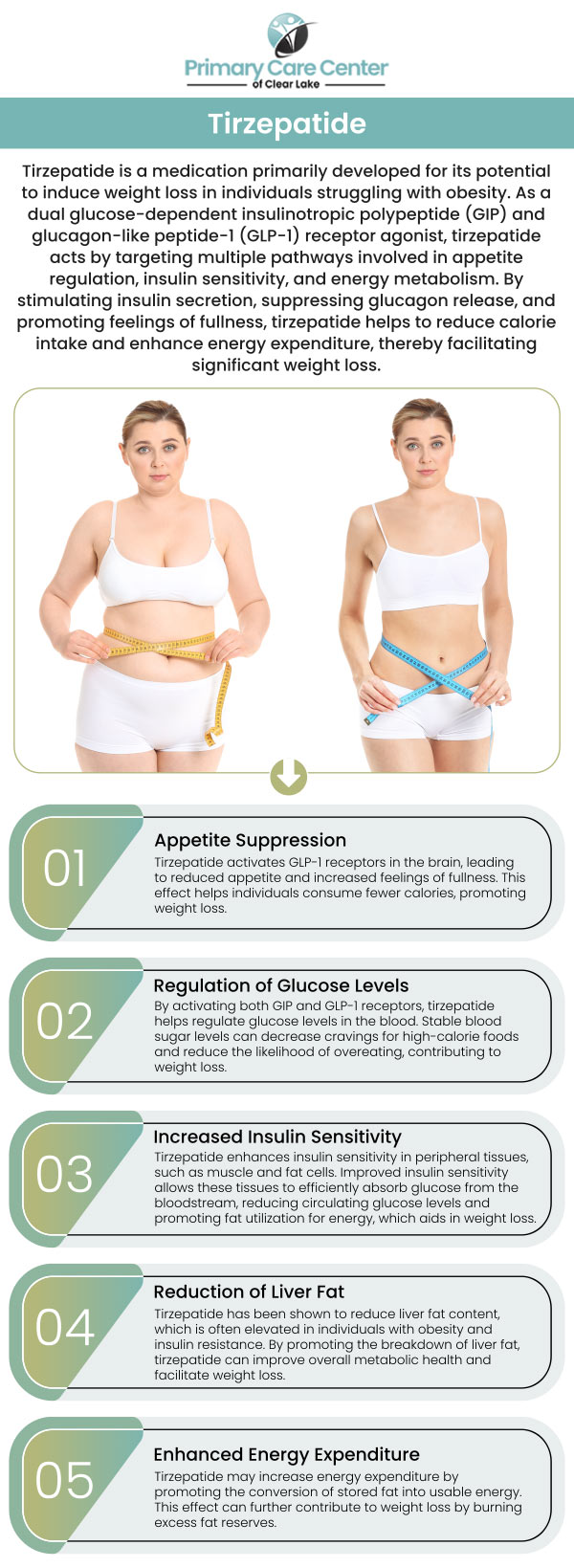
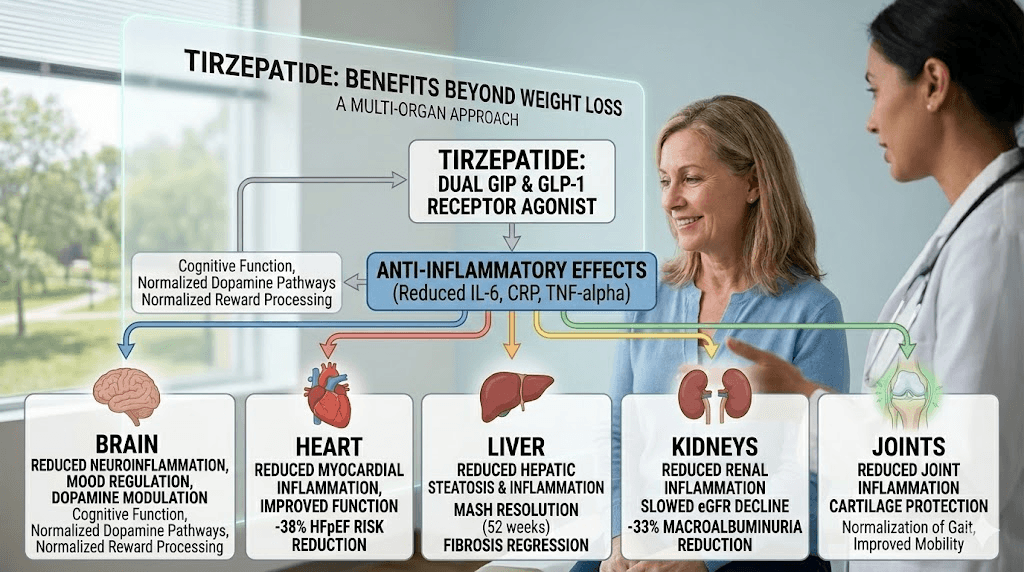
Both treatments require separate clinical evaluations and ongoing monitoring

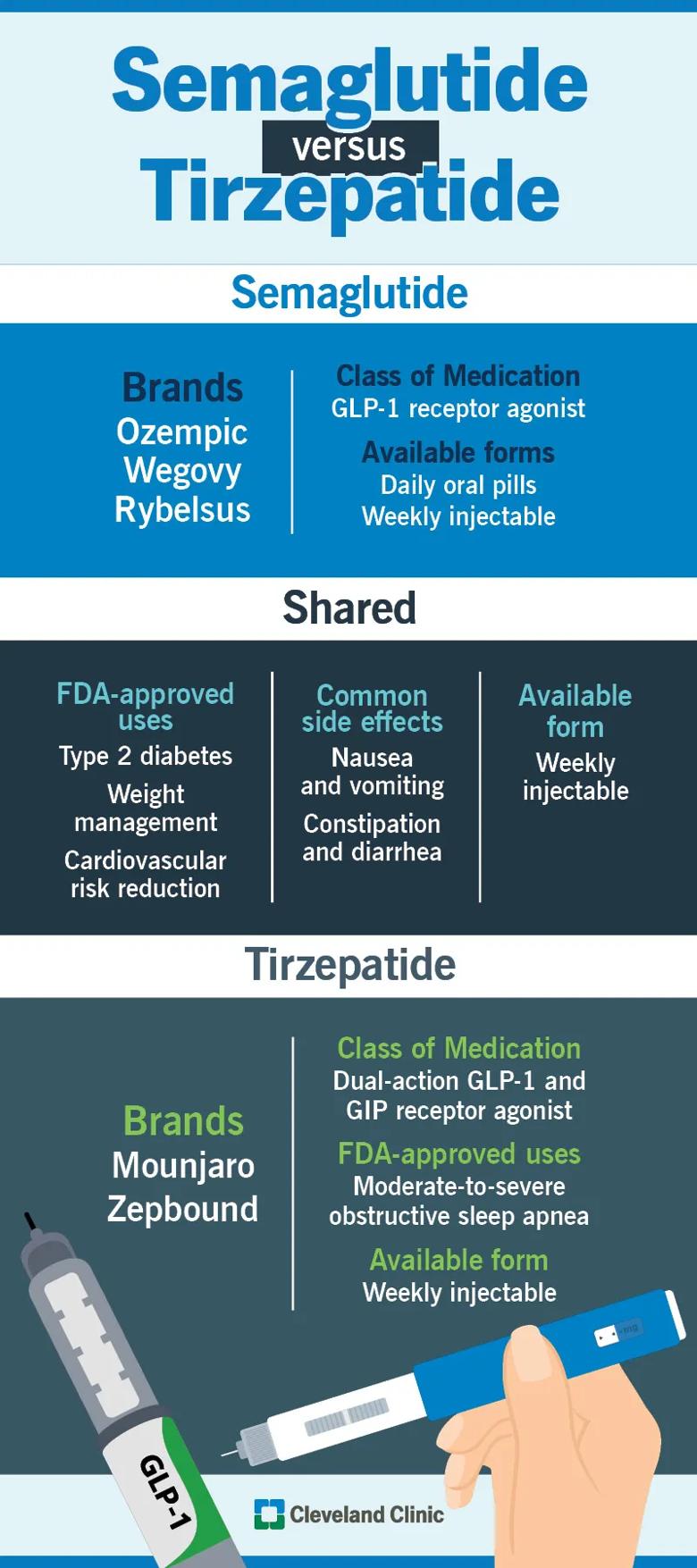
Lifestyle interventions remain the foundation of weight management: Dietary modification : A balanced, reduced-calorie diet rich in fruits, vegetables, whole grains, and lean proteins, potentially with support from a registered dietitian Physical activity : Following the UK Chief Medical Officers' guidelines of at least 150 minutes of moderate-intensity activity weekly, adapted to individual capabilities and any limitations from fibroid symptoms [15] Behavioural strategies : Including self-monitoring, goal-setting, and addressing emotional eating patterns, often facilitated through structured programmes or psychological support Alternative pharmacological options approved for weight management in the UK include: Orlistat : A lipase inhibitor that reduces fat absorption, available both on prescription and over-the-counter at lower doses, though gastrointestinal side effects can be troublesome Naltrexone/bupropion (Mysimba) : A combination therapy that affects appetite control centres in the brain, though it should be used with caution in certain conditions including hypertension Semaglutide (Wegovy) : A once-weekly GLP-1 receptor agonist with similar mechanism to Saxenda
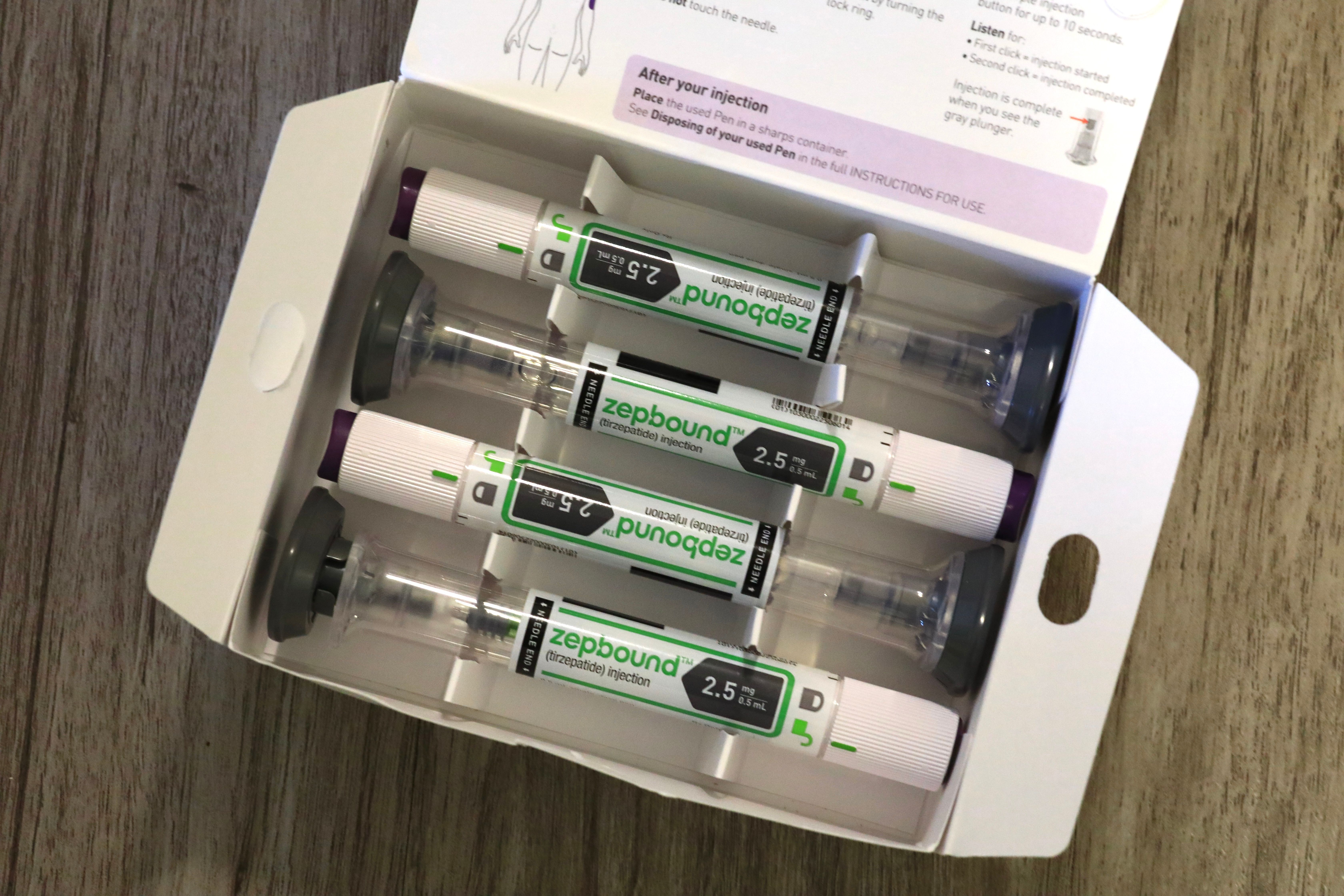
A company spokesperson told Reuters that Hims has not compromised on safety or efficacy and uses a liposomebased technology intended to support absorption
Low confidence GO annotations that were originally removed from the training set, Human Protein Atlas subcellular localization annotations from histology images [67], Swiss-Prot annotations [68], and integrated mitochondrial protein index (IMPI) annotations based on MitoMiner [69] were used for other sources of localization evidence
While direct evidence in the context of GLP-1RA remains limited, these approaches may enable identification of early molecular signatures of treatment response and stratify patients based on underlying plaque biology